Digital Marketing Strategies That Drive Traffic, Trust, and Business Growth
In today’s digital-first world, having a business without a strong online presence is like opening a store in the middle of a desert – no visibility, no visitors, and no growth.
Digital marketing is no longer just an option; it has become the foundation of modern business success. From startups to global enterprises, brands are investing heavily in digital strategies to attract audiences, build meaningful relationships, and convert attention into revenue.
But here’s the reality: digital marketing is not about posting randomly on social media or running occasional ads. It is a structured system built on strategy, data, creativity, and customer psychology.
Businesses that succeed online understand one important truth:
Digital marketing works best when it builds traffic, trust, and long-term growth together. In this comprehensive guide, we will explore powerful digital marketing strategies that experienced marketers use to create sustainable business growth.
What is Digital Marketing?
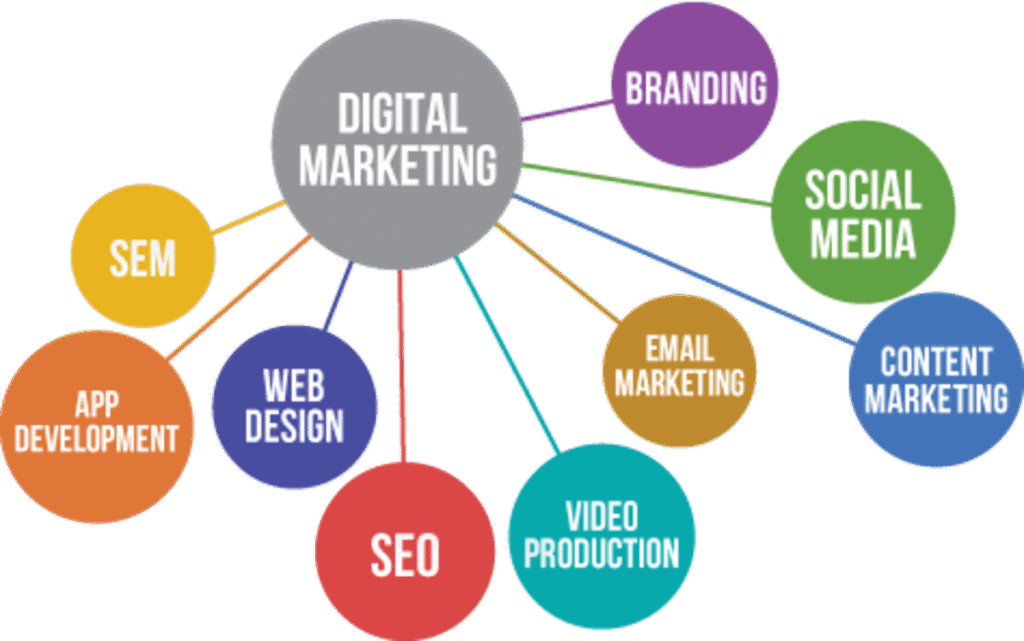
Digital marketing refers to promoting products or services using digital channels such as:
- Search engines
- Social media platforms
- Websites
- Email marketing
- Content marketing
- Online advertising
- Mobile applications
Unlike traditional marketing, digital marketing allows businesses to:
- Target the right audience
- Track performance in real time
- Optimize campaigns instantly
- Generate measurable ROI
Why Digital Marketing Matters More Than Ever
Consumer behavior has changed dramatically.
Before making a purchase, customers now:
- Search on Google
- Read reviews
- Compare brands
- Visit social media pages
- Consume online content
If your brand doesn’t appear during this journey, competitors will capture your audience.
Key Benefits:
- Global reach
- Cost-effective marketing
- Better audience targeting
- Measurable results
- Strong customer relationships
Core Digital Marketing Strategies for Business Growth
1. Search Engine Optimization (SEO)
SEO is the backbone of digital marketing.
It helps your website appear on search engines when users search for relevant services.
Key SEO Components:
On-Page SEO
- Keyword optimization
- Meta titles & descriptions
- Internal linking
- Content structure
Technical SEO
- Website speed optimization
- Mobile responsiveness
- Secure HTTPS
- Crawl ability
Off-Page SEO
- Backlinks
- Brand mentions
- Authority building
Why SEO Matters:
Organic traffic converts better because users actively search for solutions.
2. Content Marketing: The Trust Builder
Content marketing focuses on educating, informing, and helping your audience instead of directly selling.
Types of High-Performing Content:
- Blogs
- Guides
- Case studies
- Videos
- Infographics
- Tutorials
High-quality content:
- Builds authority
- Improves SEO rankings
- Generates leads naturally
- Establishes brand trust
Rule: Provide value first, sell later.
3. Social Media Marketing
Social media platforms have become digital communities where brands and customers interact daily.
Major Platforms:
- YouTube
- X (Twitter)
Effective Social Media Strategy:
- Consistent posting
- Educational content
- Audience engagement
- Storytelling
- Community building
Social media is not just marketing – it is relationship building.
4. Pay-Per-Click Advertising (PPC)
PPC advertising allows businesses to gain immediate visibility.
Popular platforms include:
- Google Ads
- Meta Ads
- LinkedIn Ads
Benefits:
- Instant traffic
- Highly targeted audiences
- Measurable results
- Fast lead generation
Best practice: Combine PPC with SEO for short-term and long-term growth.
5. Email Marketing: High ROI Channel
Email marketing remains one of the most profitable digital marketing channels.
Why Email Works:
- Direct communication
- Personalized messaging
- Customer retention
- Automation capabilities
Effective emails include:
- Welcome sequences
- Educational newsletters
- Promotional campaigns
- Follow-up emails
6. Website Optimization (Conversion Rate Optimization)
Traffic alone does not generate revenue — conversions do.
Your website must:
- Load quickly
- Be mobile-friendly
- Have clear CTAs
- Provide easy navigation
- Build credibility
Small design improvements can significantly increase conversions.
7. Data Analytics and Performance Tracking
Successful digital marketing is data-driven.
Key metrics to monitor:
- Website traffic
- Bounce rate
- Conversion rate
- Customer acquisition cost
- Engagement rate
Tools marketers use:
- Google Analytics
- Search Console
- CRM platforms
Data helps businesses make smarter decisions instead of guesses.
Building Trust Through Digital Marketing
Modern customers buy from brands they trust.
Ways to Build Trust:
- Publish valuable content
- Show testimonials
- Maintain consistent branding
- Respond to customer queries
- Share real success stories
Trust converts visitors into loyal customers.
The Digital Marketing Funnel Explained
Every customer passes through stages:
1. Awareness
Customers discover your brand.
2. Consideration
They research solutions.
3. Decision
They choose a provider.
4. Retention
You nurture long-term relationships.
A strong digital marketing strategy supports every stage.
Common Digital Marketing Mistakes Businesses Make
- Posting without strategy
- Ignoring SEO
- Poor website experience
- Targeting everyone instead of a niche
- Inconsistent branding
- Not analyzing data
Avoiding these mistakes accelerates growth.
Future Trends in Digital Marketing
Digital marketing continues evolving rapidly.
Emerging Trends:
- AI-powered marketing
- Voice search optimization
- Video-first content
- Personalization
- Marketing automation
- Interactive content
Businesses that adapt early gain competitive advantage.
How to Create a Winning Digital Marketing Strategy
Follow this framework:
- Define business goals
- Understand target audience
- Perform market research
- Choose marketing channels
- Create valuable content
- Optimize website & SEO
- Run campaigns
- Track performance
- Improve continuously
Consistency beats perfection.
Digital Marketing for Small vs Large Businesses
Small Businesses:
- Focus on local SEO
- Build strong social presence
- Use content marketing
Large Businesses:
- Advanced automation
- Multi-channel campaigns
- Data-driven personalization
Strategy changes, but fundamentals remain the same.
Why Integrated Marketing Works Best
The most successful brands combine:
- SEO + Content Marketing
- Social Media + Branding
- PPC + Analytics
- Email + Automation
When all channels work together, growth becomes predictable.
Conclusion
Digital marketing is not about chasing trends – it is about understanding people. Businesses that focus on providing value, solving problems, and building trust naturally attract traffic and customers.
A successful digital marketing strategy balances:
- Visibility (Traffic)
- Credibility (Trust)
- Performance (Growth)
Whether you are a startup or an established company, investing in the right digital marketing strategies can transform your business into a scalable digital brand.
The future belongs to businesses that market smarter, not louder.