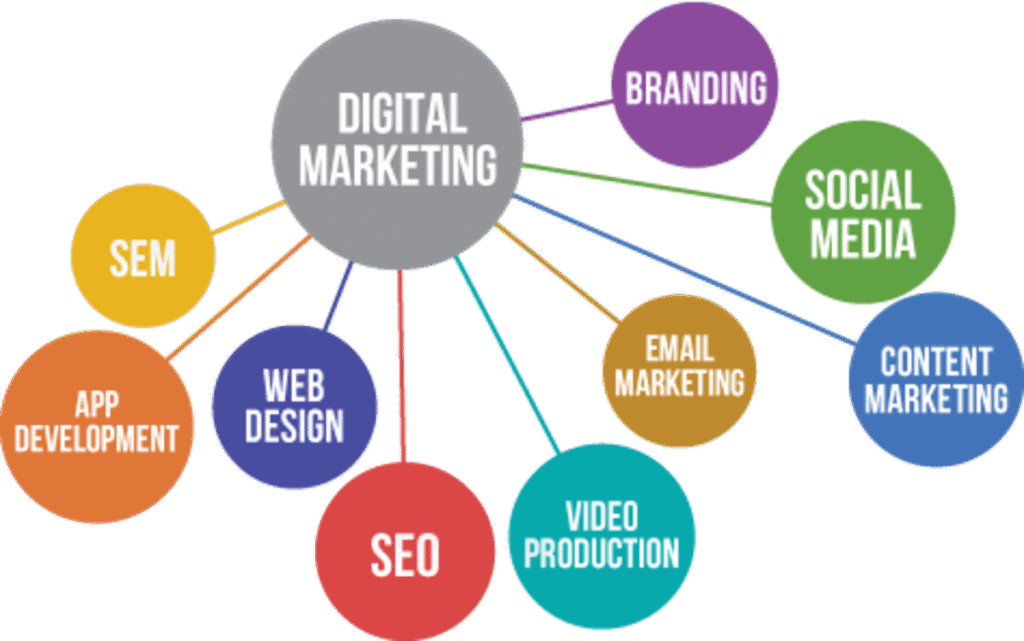
How Businesses Can Stand Out in a Crowded Digital Market

The digital marketplace has never been more competitive than it is today. Every industry from startups to established enterprises is fighting for attention online. Thousands of websites launch daily, millions of social media posts are published every hour, and search engines continuously evolve to prioritize quality and user experience.
Simply having a website or social media presence is no longer enough.
Businesses that succeed online understand one important truth: visibility without strategy leads to invisibility.
Standing out in a crowded digital market requires more than marketing tactics. It demands clarity, positioning, consistency, and data-driven decision-making. Companies that grow sustainably combine branding, technology, content, and customer psychology into one unified digital strategy.
This guide explains from an expert perspective how modern businesses differentiate themselves and build lasting online authority.
Understanding the Crowded Digital Marketplace
Before creating solutions, businesses must understand why competition feels overwhelming.
The Digital Landscape Today
- Consumers compare multiple brands before purchasing.
- Search engines prioritize expertise and trust.
- Attention spans are shorter than ever.
- Customers expect personalized experiences.
The challenge is not lack of opportunity – it is excess noise.
Businesses fail not because markets are saturated, but because their messaging looks identical to competitors.
Standing out begins with differentiation.
Step 1: Build a Clear and Memorable Brand Identity
A strong brand is the foundation of digital success.
Many businesses focus heavily on promotion while neglecting brand clarity. However, customers remember brands that communicate purpose, personality, and value consistently.
Elements of a Powerful Digital Brand
- Clear mission and positioning
- Consistent visual identity
- Unique brand voice
- Defined target audience
- Strong value proposition
Your brand should answer one question instantly:
Why should customers choose you instead of competitors?
Businesses that clearly communicate their uniqueness reduce marketing costs because recognition builds naturally over time.
Step 2: Create a High-Performance Website Experience
Your website is your digital headquarters. It is often the first impression customers have of your business.
A modern website must do more than look attractive.
Key Website Factors That Help You Stand Out
- Fast loading speed
- Mobile responsiveness
- Clear navigation
- Conversion-focused design
- Trust signals (reviews, testimonials, certifications)
Users decide within seconds whether to stay or leave a website. A slow or confusing experience instantly pushes potential customers toward competitors.
High-performing websites guide visitors smoothly from curiosity to action.
Step 3: Develop a Strategic SEO Foundation
Search Engine Optimization remains one of the most powerful long-term growth strategies.
SEO is not about tricks or keyword stuffing. Modern SEO focuses on delivering value and relevance.
Core SEO Principles Businesses Must Follow
- Search intent optimization
- High-quality content creation
- Technical website health
- Authority building through backlinks
- User experience optimization
Businesses that invest in SEO gain consistent organic traffic reducing dependence on paid advertising.
Ranking higher is not just about traffic; it builds credibility. Users trust businesses appearing at the top of search results.
Step 4: Content Marketing That Educates, Not Just Promotes
Content is the primary way businesses demonstrate expertise online.
Many brands fail because they create promotional content instead of helpful content.
Modern audiences prefer brands that teach, guide, and solve problems.
Effective Content Types
- Educational blogs
- Industry insights
- Case studies
- Tutorials
- Expert guides
When content genuinely helps users, trust develops naturally. Trust leads to engagement, and engagement leads to conversions.
Consistency matters more than volume. One high-quality article can outperform dozens of low-value posts.
Step 5: Use Social Media as a Relationship Platform
Social media success is not about posting frequently, it is about building relationships.
Businesses that stand out treat social platforms as communities rather than advertising boards.
Winning Social Media Strategies
- Share valuable insights
- Show behind-the-scenes processes
- Engage with audience comments
- Maintain consistent branding
- Focus on storytelling
Authenticity attracts attention. Customers connect with brands that feel human rather than corporate.
Step 6: Focus on Customer Experience (CX)
Customer experience has become a major ranking and retention factor.
Every interaction shapes brand perception:
- Website usability
- Response time
- Customer support
- Purchase process
- Follow-up communication
Businesses that prioritize customer satisfaction naturally generate reviews, referrals, and loyalty.
In competitive markets, experience often matters more than price.
Step 7: Data-Driven Decision Making
Successful digital businesses rely on analytics rather than assumptions.
Tracking performance reveals:
- What content performs best
- Where traffic originates
- User behavior patterns
- Conversion bottlenecks
Key metrics to monitor:
- Website traffic
- Bounce rate
- Conversion rate
- Engagement time
- Keyword rankings
Data allows businesses to refine strategies continuously instead of guessing.
Step 8: Build Authority and Trust Online
Authority separates leaders from competitors.
Search engines and customers both favor brands that demonstrate expertise.
Ways to Build Authority
- Publish in-depth content
- Showcase client success stories
- Maintain consistent branding
- Earn backlinks from reputable websites
- Share expert opinions
Authority compounds over time. The more valuable content you publish, the stronger your market position becomes.
Step 9: Personalization and Audience Understanding
Modern consumers expect personalized experiences.
Businesses that understand customer behavior outperform generic marketing approaches.
Examples include:
- Personalized email campaigns
- Targeted content recommendations
- Customized offers
- Audience segmentation
Personalization makes customers feel understood, increasing loyalty and conversion rates.
Step 10: Integrate All Digital Channels
The most successful businesses do not treat marketing channels separately.
SEO, social media, content marketing, and website development must work together.
Integrated Digital Strategy Example
- Blog content drives SEO traffic.
- Social media promotes content.
- Website converts visitors.
- Email marketing nurtures leads.
Integration multiplies results instead of dividing effort.
Common Mistakes Businesses Make Online
Understanding mistakes helps businesses avoid stagnation.
Frequent Errors
- Copying competitors instead of differentiating
- Ignoring long-term SEO
- Inconsistent branding
- Poor website performance
- Lack of strategy
Success online comes from clarity and consistency, not shortcuts.
Future Trends Businesses Must Prepare For
Digital markets continue evolving rapidly.
Emerging Trends
- AI-powered search experiences
- Voice search optimization
- Video-first content strategies
- Automation in marketing
- Experience-driven branding
Businesses that adapt early gain competitive advantage.
Practical Action Plan for Businesses
Here is a simplified roadmap:
- Define your brand positioning.
- Optimize website performance.
- Build SEO-focused content.
- Engage audiences on social media.
- Track analytics regularly.
- Improve customer experience continuously.
- Invest in authority-building content.
Small improvements applied consistently create massive long-term growth.
Conclusion: Standing Out Is About Strategy, Not Noise
In crowded digital markets, visibility alone is not enough. Businesses that succeed combine strategy, creativity, technology, and customer understanding. Standing out does not require louder marketing, it requires smarter marketing. Companies that focus on value, authenticity, and long-term trust naturally rise above competitors. The future belongs to businesses that build meaningful digital experiences rather than temporary attention. When branding, SEO, content, and customer experience align, differentiation becomes inevitable.
FAQ
1. Why is it difficult for businesses to stand out in a crowded digital market?
The digital market is highly competitive because thousands of businesses compete for the same audience online. Customers have multiple options, and search engines prioritize quality, relevance, and trust. Businesses that lack a clear strategy, strong branding, or consistent marketing often struggle to gain visibility.
2. What is the most important factor for standing out online?
The most important factor is a clear and unique value proposition. Businesses must communicate what makes them different while combining strong branding, SEO, quality content, and excellent customer experience to build long-term recognition.
3. How does SEO help businesses differentiate themselves?
SEO improves online visibility by helping websites rank higher on search engines. When businesses publish valuable content and optimize their websites properly, they attract targeted audiences actively searching for their services, which builds credibility and trust.
4. Can small businesses compete with large brands online?
Yes. Digital marketing creates equal opportunities for businesses of all sizes. Small businesses can compete effectively by focusing on niche audiences, local SEO strategies, personalized communication, and high-quality content marketing.
5. How important is website design in digital competition?
Website design plays a critical role in user experience and conversions. A fast, mobile-friendly, and easy-to-navigate website increases engagement, reduces bounce rates, and encourages visitors to take action.
6. What role does social media play in business growth?
Social media helps businesses build relationships, increase brand awareness, and engage directly with customers. Consistent and valuable content on social platforms strengthens trust and drives traffic to websites.
7. How long does it take to see results from digital marketing strategies?
Digital marketing is a long-term investment. SEO results typically take 3-6 months, while social media engagement and paid campaigns may show quicker results. Sustainable growth comes from consistent effort and strategy optimization.
8. What type of content helps businesses stand out online?
Educational and problem-solving content performs best. Blogs, guides, case studies, videos, and industry insights position businesses as experts and attract audiences looking for solutions rather than advertisements.
9. Why is customer experience important for online success?
Customer experience influences brand reputation, reviews, and repeat purchases. Positive interactions increase loyalty and word-of-mouth marketing, helping businesses grow organically.
10. What is the future of digital marketing competition?
The future focuses on personalization, AI-driven marketing, user experience, and authentic brand communication. Businesses that adapt to technology while maintaining human connection will lead the digital marketplace.
- Voice search visibility
- User trust & engagement
- SEO keyword coverage