Innovative Trends Shaping the Future of Software Product Development
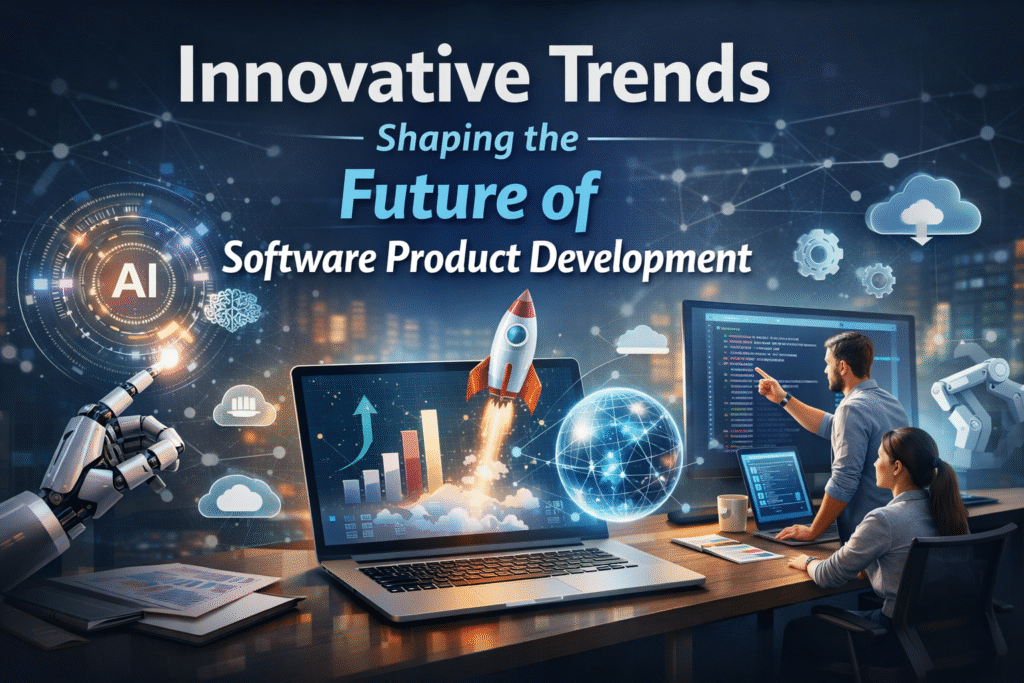
Software product development is evolving faster than ever. The tools we use, the systems we build, and the way teams collaborate have all transformed dramatically in the last few years. Businesses no longer have the luxury of slow product cycles or outdated engineering methods. Today, the ability to innovate quickly, deliver high-quality digital products, and adapt to changing customer expectations has become essential for survival.
At Vision Ranking, we work closely with companies across industries, and one message is clear: software development is undergoing a major shift toward smarter, faster, and more sustainable approaches. This blog explores the most impactful trends shaping the future of product engineering and how these trends help companies build better, more scalable digital solutions.
1. Cloud-Native Development Has Become the New Standard
A decade ago, cloud technology was optional. Today, it’s impossible to imagine software development without it. Cloud-native development allows teams to build applications that are inherently flexible, scalable, and more resilient than traditional systems.
Why Cloud-Native Development Matters
- Helps businesses scale quickly without expensive hardware
- Reduces deployment time using containerized environment
- Makes products more reliable through micro services
- Supports remote and distributed teams
Micro services, serverless computing, and container orchestration have redefined how software is architected. Instead of building one massive application, teams now build smaller, modular services that work independently. When one feature needs improvement, it can be upgraded without disturbing the entire system.
This shift isn’t just technological, it changes how businesses think about growth. Products become easier to maintain, easier to expand, and much more cost-effective.
2. Low-Code and No-Code Development Are Accelerating Digital Delivery
Low-code platforms are empowering businesses to build applications much faster than traditional coding methods. While these tools don’t replace professional developers, they make the development process more collaborative and accessible.
Key Benefits
- Faster product releases
- Reduced development costs
- Greater involvement from non-technical teams
- Rapid prototyping
Businesses today don’t have months to wait for product development cycles. Low-code helps teams create functional prototypes within days, helping them validate concepts quickly and make better investment decisions.
This trend is reshaping product development by prioritizing speed, agility, and cross-functional collaboration.
3. Automation Is Transforming the Development Lifecycle
Modern software teams rely heavily on automation to deliver high-quality products consistently. Whether it’s automated testing, continuous deployment, or workflow management, automation reduces errors and speeds up delivery.
Where Automation Makes the Biggest Impact
- Automated code reviews
- Testing pipelines
- Deployment workflows
- Infrastructure monitoring
- Error reporting
Automation allows developers to focus on solving real problems rather than repetitive tasks. It reduces human error, increases productivity, and strengthens product reliability.
4. DevOps and DevSecOps Are Now Essential, Not Optional
The integration of development and operations commonly known as DevOps has become the backbone of modern software engineering. Teams that follow DevOps principles release features faster, resolve issues sooner, and collaborate more effectively.
DevOps Brings Major Advantages
- Faster development cycles
- Strong communication between teams
- Better risk management
- Continuous deployment and integration
But the evolution doesn’t stop there. DevSecOps has emerged to integrate security practices directly into the development process rather than treating security as a final step.
Why DevSecOps Is Growing
- Security threats are increasing
- Regulations are becoming stricter
- Businesses require safer digital products
By embedding security early, companies create more trustworthy products and avoid expensive vulnerabilities.
5. API-First Development Is Leading to More Connected Products
Products no longer exist in isolation. Modern software must interact with multiple systems, payment gateways, analytics tools, CRM platforms, marketplaces, and hundreds of integrations.
API-first development ensures that software products are designed with integration in mind from day one.
Benefits of API-First Development
- Easier connectivity with external platforms
- Stronger scalability
- Faster partnership onboarding
- Greater flexibility for future enhancements
This approach allows companies to expand their digital capabilities effortlessly and reach new audiences without rebuilding core systems.
6. User Experience (UX) Is Becoming a Strategic Business Priority
The quality of user experience directly impacts product success. No matter how advanced a platform is, customers won’t continue using it if the interface is confusing or slow. Today, UX is no longer a design step, it is a strategic pillar.
Modern UX Trends Shaping Product Development
- Minimalist design
- Mobile-first approach
- Faster page load experience
- Personalized interfaces
- Accessibility and inclusivity
Ease of use, clarity, and responsiveness drive product adoption. Businesses that invest in UX gain higher retention, better conversion, and stronger customer loyalty.
7. The Rise of Edge Computing
Edge computing is pushing data processing closer to the user rather than relying entirely on a central server. This trend is growing rapidly in industries where speed and reliability are critical.
Use Cases
- Smart devices
- Manufacturing automation
- Real-time monitoring
- Retail systems
- Transportation
By reducing latency and improving performance, edge computing supports the next generation of intelligent software experiences.
8. Cybersecurity Is Now a Foundation of Product Strategy
With software systems becoming more interconnected, security is no longer a technical need, it is a business imperative.
Emerging Security Practices
- Zero-trust architecture
- Multi-layer authentication
- Data-first security approach
- Threat monitoring and response
Companies that prioritise security early build stronger products and earn customer trust.
9. Personalization Is Transforming Product Engagement
Modern customers expect personalized experiences tailored to their preferences and behaviour. Businesses are applying better user insights, analytics, and smart logic to deliver dynamic experiences.
Examples of Personalization
- Tailored dashboards
- Custom recommendations
- Location-based experiences
- Adaptive content
Personalization drives engagement, boosts retention, and increases revenue.
10. Sustainable Software Development Is Rising
Today’s businesses care deeply about energy efficiency, cost-effectiveness, and responsible digital practices.
Sustainability in Software Includes
- Lightweight code
- Efficient data storage
- Reduced server load
- Optimised performance
Sustainable development is shaping a future where software is powerful yet environmentally conscious.
11. Product-Led Growth (PLG) Is Redefining Market Strategy
PLG focuses on letting the product itself drive user acquisition, conversion, and retention.
PLG Success Factors
- Easy onboarding
- Helpful in-product guidance
- Freemium or trial models
- Continuous user feedback
This model is becoming the dominant strategy for SaaS businesses.
12. Cross-Platform Development Is Becoming the Default Choice
Companies want consistent experiences across devices without building separate codebases. Cross-platform frameworks make this possible.
Advantages
- Faster development
- Lower costs
- Unified experience
- Easier updates
This approach accelerates product launches and maintains consistency across all devices.
Conclusion: The Future Belongs to Smart, Seamless, and Scalable Products
Software product development is evolving into a more connected, efficient, and user-focused discipline. Businesses that adopt these innovative trends gain a strong advantage in speed, quality, and customer satisfaction.
At Vision Ranking, we help brands embrace these modern technologies and build digital products designed for long-term success.
FAQs
1. What is the biggest trend shaping future software development?
The move toward cloud-native, modular, and highly scalable architectures is currently the most influential trend.
2. Why is user experience so important today?
Because customers judge products instantly. A seamless experience leads to higher usage and stronger loyalty.
3. How is automation improving product development?
Automation speeds up testing, deployment, and monitoring, reducing errors and improving product quality.
4. Do all businesses need to use low-code platforms?
Not always, but they are incredibly helpful for prototyping and creating simple internal tools quickly.
5. What role does security play in modern development?
Security is essential from the beginning. It protects customer trust and prevents costly vulnerabilities.