Email Marketing Strategy: The Secret Weapon Behind High-Converting Brands
In a digital world dominated by social media trends, paid advertising, and ever-changing algorithms, one marketing channel continues to deliver consistent and measurable results through email marketing.
While many businesses chase new platforms, high-converting brands quietly rely on email marketing as their most powerful growth engine. Email marketing is not simply about sending promotional messages; it is about building relationships, nurturing trust, and guiding customers through meaningful buying journeys.
Unlike social media platforms where visibility depends on algorithms, email marketing gives businesses direct access to their audience. When executed strategically, it becomes a long-term asset capable of generating leads, increasing conversions, and strengthening customer loyalty.
This guide explores how expert marketers design email marketing strategies that transform ordinary subscribers into loyal brand advocates.
What Is an Email Marketing Strategy?
An email marketing strategy is a structured plan that defines how a business communicates with its audience through email to achieve marketing and sales goals.
It includes:
- Audience targeting
- Content planning
- Campaign scheduling
- Automation workflows
- Performance analysis
A strong strategy ensures every email serves a purpose – whether educating, nurturing, or converting customers.
Why Email Marketing Remains Powerful in Modern Marketing
Despite the rise of new digital channels, email marketing continues to outperform many marketing methods.
1. Direct Communication Channel
Emails reach users personally without relying on third-party algorithms.
2. Higher Engagement
Subscribers have already shown interest, making them more likely to interact.
3. Cost-Effective Marketing
Email campaigns require minimal investment compared to paid advertising.
4. Long-Term Relationship Building
Consistent communication strengthens trust and brand recall.
The Psychology Behind High-Converting Email Marketing
- Personalization
- Trust building
- Consistency
- Value exchange
- Emotional connection
When customers feel understood, they are more likely to engage and convert.
Building the Foundation of a Winning Email Marketing Strategy
1. Define Clear Business Goals
Every campaign should align with specific objectives such as:
- Lead generation
- Website traffic growth
- Product sales
- Customer retention
- Brand awareness
Clear goals guide content and measurement.
2. Understand Your Audience Deeply
High-converting brands invest time in understanding their customers.
Analyze:
- Pain points
- Buying behavior
- Interests
- Demographics
- Customer journey stage
Audience understanding leads to relevant messaging.
3. Build a Quality Email List
A strong email list is built through trust, not shortcuts.
Effective list-building methods:
- Website signup forms
- Free guides or resources
- Newsletter subscriptions
- Exclusive offers
- Webinar registrations
Organic growth ensures higher engagement.
The Role of Segmentation in Email Success
Sending the same email to everyone reduces effectiveness.
Segmentation allows businesses to divide subscribers based on:
- Interests
- Purchase history
- Engagement level
- Industry or role
- Customer lifecycle stag
Personalized emails significantly increase conversions.
Crafting High-Impact Email Content
Content determines whether readers engage or ignore emails.
Value-First Approach
Focus on helping before selling.
Include:
- Educational insights
- Practical tips
- Industry updates
- Case studies
- Solutions to problems
Example: Small Marketing Changes That Deliver Big Result
Email Design That Encourages Action
Design should improve readability and guide attention.
Important elements:
- Clean layout
- Mobile responsiveness
- Short paragraphs
- Visual hierarchy
- Clear CTA buttons
Simple designs often perform better than complex layouts.
Automation: The Real Secret Weapon
Automation allows brands to deliver the right message at the right time.
Common Automated Emails:
- Welcome series
- Lead nurturing sequences
- Abandoned cart reminders
- Re-engagement campaigns
- Customer onboarding emails
Automation saves time while improving personalization.
The Email Marketing Funnel Explained
High-converting brands follow a structured funnel.
1. Awareness
Welcome emails introduce the brand.
2. Engagement
Educational content builds trust.
3. Consideration
Case studies and solutions demonstrate value.
4. Conversion
Offers encourage action.
5. Retention
Follow-ups maintain relationships.
Personalization: The Key to Modern Email Marketing
Modern consumers expect relevant communication.
Personalization includes:
- Using subscriber names
- Behavior-based recommendations
- Dynamic content
- Customized offers
Personalized emails significantly increase engagement rates.
Key Metrics Every Business Should Track
Data helps improve strategy over time.
Important metrics:
- Open Rate
- Click-Through Rate (CTR)
- Conversion Rate
- Bounce Rate
- Subscriber Growth
- Unsubscribe Rate
Continuous optimization leads to better performance.
Advanced Email Marketing Techniques Used by Experts
A/B Testing
Test subject lines, layouts, and CTAs.
Behavioral Targeting
Send emails triggered by user actions.
Lead Scoring
Identify highly interested prospects.
Content Sequencing
Deliver information gradually to build trust.
Common Email Marketing Mistakes to Avoid
- Sending too many promotional emails
- Ignoring segmentation
- Poor mobile optimization
- Weak subject lines
- Lack of analytics tracking
Avoiding these mistakes protects engagement rates.
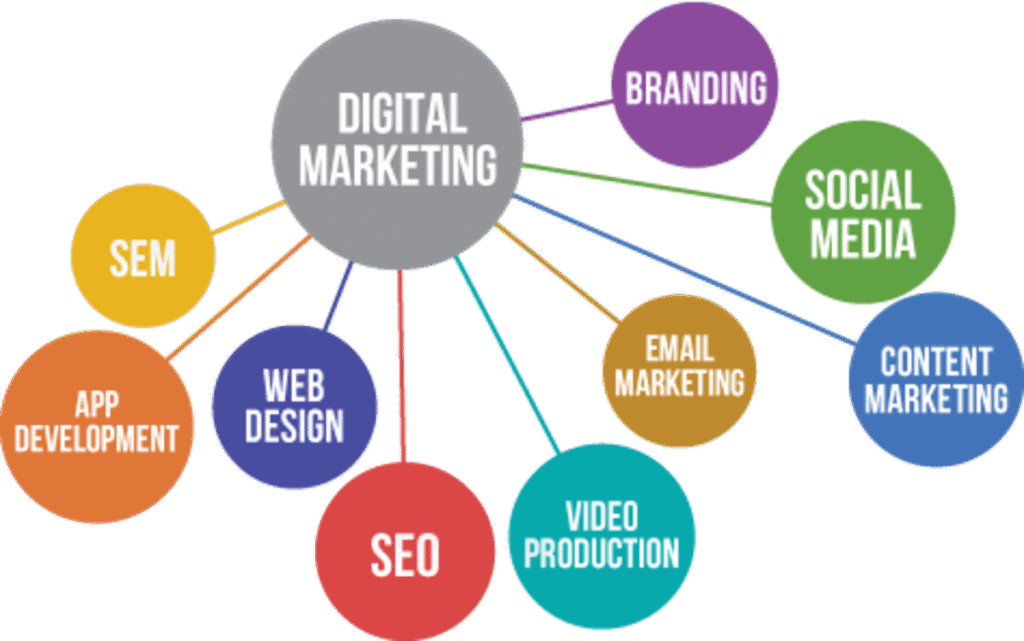
Integrating Email Marketing With Digital Marketing Strategy
Email marketing works best when combined with:
- SEO content marketing
- Social media campaigns
- Website optimization
- Paid advertising
- Content funnels
Integration creates a seamless customer journey.
Future Trends in Email Marketing
The future of email marketing includes:
- AI-powered personalization
- Predictive automation
- Interactive emails
- Hyper-segmentation
- Data-driven optimization
Businesses adopting innovation will stay ahead of competitors.
Email Marketing Strategy Checklist
Before launching a campaign:
- Define objective
- Segment audience
- Write engaging subject line
- Provide value-driven content
- Optimize for mobile
- Add strong CTA
- Track performance metrics
Conclusion
Email marketing remains the secret weapon behind high-converting brands because it focuses on relationships rather than interruptions.
When businesses prioritize personalization, value, and strategic automation, email marketing transforms into a powerful growth system capable of nurturing leads, driving conversions, and building lasting customer loyalty.
In an era of digital noise, brands that communicate meaningfully through email gain a competitive advantage that few channels can match.
FAQ
1. Why is email marketing still effective?
It provides direct communication with audiences and delivers consistent ROI.
2. How often should businesses send marketing emails?
Typically once or twice per week depending on engagement levels.
3. What makes an email campaign successful?
Relevant content, personalization, timing, and clear calls to action
4. Is email marketing suitable for small businesses?
Yes, it is affordable and highly measurable.
5. Can automation improve results?
Yes, automation increases personalization and efficiency.